
Blog

- Home
- Blog
- Product knowledge
- Is PCR packaging more expensive? How is PCR plastic different? 5 benefits that debunk misconceptions
Is PCR packaging more expensive? How is PCR plastic different? 5 benefits that debunk misconceptions
November 26,2025
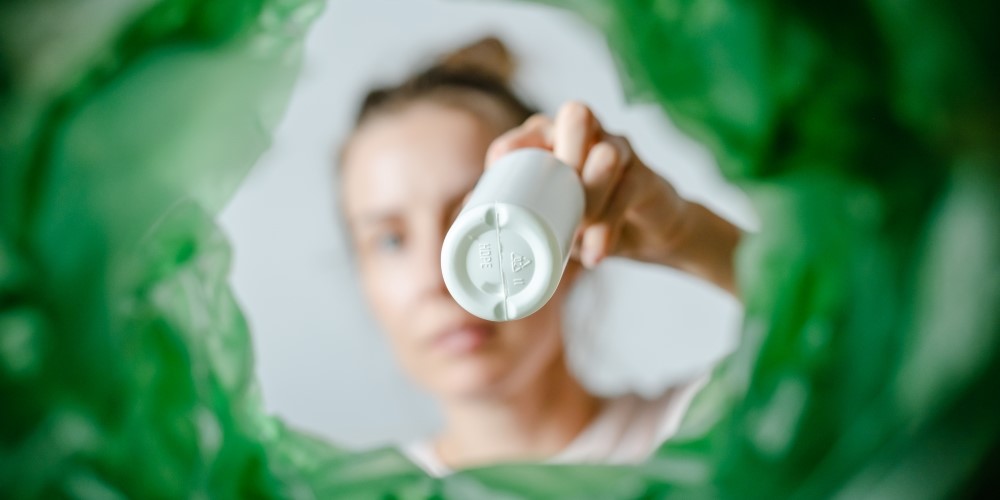
As global plastic reduction initiatives accelerate, regulations set by the European Union, the United Kingdom, and other regions now require specific recycled content ratios in plastic packaging, forcing export-oriented brands to transform rapidly. As a result, in recent years many beauty, skincare, and daily-use brands have begun adopting PCR packaging.
This approach significantly reduces the use of virgin plastic, aligns perfectly with sustainability trends, and responds to growing consumer concern for environmental protection, helping brands gain stronger market support. Next, let’s explore what PCR plastic is, its advantages, and how it differs from other eco-friendly materials, so you can seize opportunities in the sustainability wave and avoid unnecessary detours.
〈Related Reading:Cosmetic Tube Types & Trends: Features of Cosmetic Squeeze Tubes at a Glance〉
What Can PCR plastic Be Used For? Unlocking New Possibilities in Product Packaging
“PCR plastic” refers to everyday plastic products such as PET bottles or detergent containers that are discarded after use. These waste plastics are fully collected and recycled, reprocessed into usable raw materials, and reintroduced into manufacturing to become new bottles, tubes, and various durable packaging solutions, allowing waste materials to re-enter the usage cycle.
By using PCR plastic products, brands can comply with environmental regulations, demonstrate their commitment to sustainability, and allow consumers to clearly see their dedication, which helps build trust and increase purchase intent.
PCR packaging vs. Other Eco-Friendly Materials: What’s the Difference?
PCR packaging
PCR packaging is made from recycled and reprocessed plastics, reducing reliance on petrochemical raw materials and lowering carbon emissions. Although there may be slight variations in color consistency or flexibility compared to virgin plastics, PCR plastic offers excellent stability and reliable protection, ensuring product quality remains unaffected. It is well suited for cosmetic tubes, lotion bottles, cream jars, and other everyday products.
〈Related Reading:The Ultimate Lotion Tube Guide ! Best Lotion Tube Suppliers You Should Know〉
PLA (Polylactic Acid)
PLA is derived from plant-based sources such as corn and sugarcane and offers high transparency. However, the material is relatively rigid and less elastic, making it more suitable for packaging that emphasizes visual clarity. Brands considering PLA should note that it requires specific conditions to decompose and does not naturally degrade in standard environments.
Recycled Paper and Kraft Paper
Recycled paper and kraft paper are produced from reclaimed pulp and are durable with excellent printability, helping reduce deforestation and protect the environment. Cosmetic brands often use them for outer boxes, shopping bags, or filler materials, which lowers costs while conveying a natural and eco-friendly image. However, as paper-based materials, they are not suitable for containing liquids or products with active ingredients.
Edible Packaging Materials
Edible packaging is made from natural ingredients such as rice paper, cornstarch, or seaweed and contains no chemical additives. These materials can be consumed directly or decompose rapidly. However, due to higher costs and limited processing capabilities, they are typically used for limited-edition products or brand differentiation strategies. For brands aiming to create exclusivity or buzz, edible packaging can be a distinctive sustainability option.
Comparison Table of Eco-Friendly Packaging Types
| Packaging Type | PCR packaging | PLA (Polylactic Acid) |
Recycled & Kraft Paper | Edible Packaging |
|---|---|---|---|---|
|
Raw Materials |
Recycled plastics |
Corn, sugarcane plant fibers |
Recycled paper pulp |
Plant fibers, starch, seaweed |
|
Advantages |
Carbon reduction, energy saving, regulatory compliance, brand value |
Renewable, biodegradable, high transparency |
Reduced deforestation, low cost |
Edible, fast decomposition |
|
Applications |
Lotion bottles, cream jars, lipstick tubes, cosmetic tubes |
Transparent bottles |
Cosmetic boxes, paper bags, fillers |
Inner liners or special limited-edition packaging |
|
Cost |
Decreasing |
Higher |
Low |
Higher than plastic |
|
Technology Maturity |
Mature and mass-produced, appearance varies by material |
Mature and widely applied |
Mature |
Developing, limited applications |
|
Recycling Requirements |
Standard recycling, food-grade requires certification |
Industrial composting, separate recycling |
Recyclable and reusable |
Naturally degradable, no recycling required |
(The table can be scrolled horizontally on mobile devices.)
Why Is PCR packaging Becoming a Market Favorite?
Benefit of PCR packaging 1: Supporting Plastic Reduction Policies
Countries worldwide are introducing plastic taxes and reduction regulations that require packaging to include a certain proportion of recycled materials. By adopting PCR packaging, companies can meet regulatory requirements and avoid fines or return risks. In export markets especially, international distributors increasingly prioritize sustainability criteria, making brands that adopt PCR materials more attractive partners.
Benefit of PCR packaging 2: Rising Consumer Environmental Awareness
As environmental issues gain attention, younger generations in particular carefully evaluate whether packaging is environmentally friendly when choosing products. Brands that demonstrate concrete sustainability actions, such as using PCR plastic packaging, often see increased purchase intent and enhanced brand image.
Benefit of PCR packaging 3: Strengthening Brand Image
Using PCR materials showcases a company’s commitment to sustainable development and conveys a sense of responsibility to consumers. This strengthens brand credibility and creates compelling marketing highlights that attract greater trust and attention.
Benefit of PCR packaging 4: Protecting Environmental Sustainability
The greatest value of PCR packaging lies in reusing plastics that would otherwise become waste, effectively reducing landfill and carbon emissions. By enabling resources to be reused repeatedly, brands turn sustainability commitments into tangible action.
PCR plastic Manufacturing Process: Three Key Steps from Recycling to High-Quality Packaging
PCR plastic is not simply reused after collection but must undergo recycling, washing and shredding, and pelletizing to become high-quality packaging material.
PCR plastic Manufacturing Step 1: Collection and Sorting
Compressed waste plastics are first unpacked to restore their original loose form. They are then sorted manually or mechanically by plastic type such as PET, PP, or PE to prevent material contamination. More precise sorting leads to higher-purity recycled materials and improved stability and performance in final products.
PCR plastic Manufacturing Step 2: Washing and Shredding
After sorting, the plastics undergo gravity separation to remove foreign impurities with different densities. This is followed by a thorough cleaning process to eliminate oils and residual contaminants, ensuring the quality and safety of the recycled products. Once cleaned, the materials are shredded into small flakes to achieve a size suitable for downstream processing and efficient drying.
PCR plastic Manufacturing Step 3: Pelletizing and Re-Manufacturing
The cleaned and dried plastic flakes are melted and extruded into pellets, a process known as pelletizing. These recycled pellets are easy to store, transport, and apply at scale. They are then used to manufacture new products such as cosmetic containers, packaging bags, and household items.
〈Related Reading:Cosmetic Tube Types & Trends: Features of Cosmetic Squeeze Tubes at a Glance〉
What Are the Applications of PCR plastic?
PCR plastic has a wide range of applications and can be found in nearly every industry that uses plastic, paper, metal, or glass packaging. In the cosmetics sector in particular, it is commonly used for lotion tubes, lipstick tubes, bottles, jars, and product housings.
Thanks to its flexible processing capabilities, PCR plastic supports diverse design requirements and refined aesthetics. For brands, adopting PCR plastic ensures compliance with strict regulations while demonstrating environmental responsibility, giving products a competitive edge in the sustainable packaging market.
〈Related Reading:Lip Balm Squeeze Tube Material Selection Without Mistakes! Create Your Own Brand Packaging〉
〈Related Reading:New Trends in Lip Gloss Squeeze Tube Packaging — Key Design Tips and Supplier Selection Guide〉
How Does I.TA Plastics Achieve Sustainability and Practicality with PCR packaging?
Although PCR packaging may appear simple, balancing texture, design, printing details, and product ingredient stability requires extensive expertise.
I.TA Plastics has invested for many years in PCR material development, integrating recycled material selection, structural design, safety standards, printing techniques, and final packaging presentation.
We offer diverse printing and processing options to help brands express their identity, along with customized sizes and shapes tailored to different product needs, achieving both sustainability and practicality.
〈I.TA Plastics Services:Click Here to Learn More〉
Quality and Sustainability Combined: Choose I.TA Plastics PCR packaging with Confidence
PCR packaging not only reduces plastic waste but also creates new business opportunities and enhances brand image. At this critical moment of sustainable transformation, I.TA Plastics stands out as a trusted partner with mature manufacturing processes and strict quality standards, recognized by brands in Taiwan and worldwide.
Our products are certified for safety and stability and supported by diverse customization services to meet varying needs. Contact us today via official WhatsApp to learn more about product details or collaboration opportunities.
Article Classification
Recent Articles
- How to Choose a Cosmetic Tube Manufacturer? Master Key Evaluation Points to Find the Best Partner!
- Mastering Sustainable Cosmetic Packaging: How the Right Materials and Design Can Double Your Brand’s Impact
- A Must-Read for Brands! 6 Key Details in Sustainable Makeup Packaging Design
- Is PCR packaging more expensive? How is PCR plastic different? 5 benefits that debunk misconceptions
- How to Choose a Hand Cream Tube? From Design and Material Selection to Sustainable Packaging