
Blog

- Home
- Blog
- Product knowledge
- Mastering Sustainable Cosmetic Packaging: How the Right Materials and Design Can Double Your Brand’s Impact
Mastering Sustainable Cosmetic Packaging: How the Right Materials and Design Can Double Your Brand’s Impact
January 07,2026
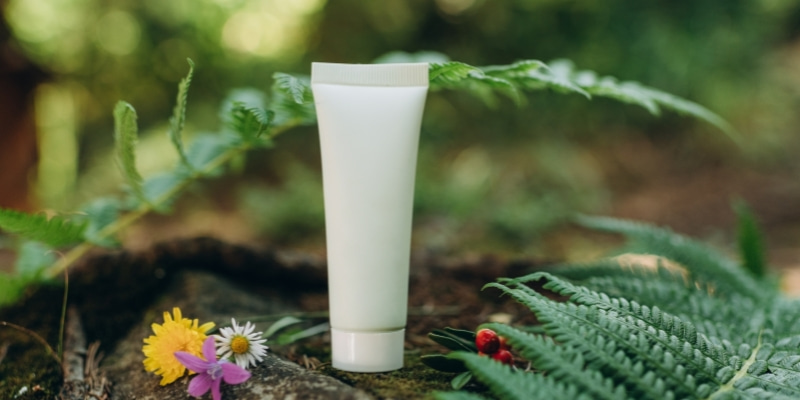
When consumers shop for cosmetics, cosmetic packaging is often what catches their attention in the very first second. Whether it’s a distinctive design that strengthens brand recognition, or the bottle’s shape, texture, and tactile feel, packaging plays a decisive role in purchasing decisions.
As environmental awareness continues to rise, brands are increasingly prioritizing cosmetic packaging materials that are environmentally friendly, recyclable, and reusable. This article explores the tangible benefits that sustainability brings to brands, introduces key materials used in eco-friendly cosmetic packaging, and offers practical application insights to help you build a green packaging strategy while elevating brand value.
〈Related Article:A Must-Read for Brands! 6 Key Details in Sustainable Makeup Packaging Design〉
Eco-friendly Cosmetic Packaging: More Than Sustainability, a Hidden Brand Advantage
When walking through drugstores or browsing e-commerce platforms, more consumers are taking a closer look at what the packaging says. Beyond ingredients and efficacy, shoppers are paying attention to whether cosmetic packaging is environmentally responsible. For brands, eco-friendly cosmetic packaging is not just about protecting the planet. By designing packaging that is recyclable and reusable, brands can reduce single-use waste and extend the lifecycle of resources. This visible commitment to sustainability helps consumers perceive the brand as responsible and forward-thinking. Often, this invisible effort translates into trust, brand affinity, and ultimately, the final purchase decision.
Popular Eco-friendly Cosmetic Packaging Materials: Pros and Cons at a Glance
Different cosmetic packaging materials vary significantly in appearance, cost, recyclability, and user experience. Choosing the right material can enhance brand value, while the wrong choice may negatively affect usability and perception. Below are some of the most commonly used materials in eco-friendly cosmetic packaging today.
PCR PE (Post-Consumer Recycled Polyethylene)
PCR PE is made from recycled polyethylene collected after consumer use. It has become one of the most popular materials for eco-friendly cosmetic packaging in recent years. This material offers excellent sealing performance, durability, and flexibility. It is odorless, easy to process, and compatible with various finishes such as coloring, matte, or glossy effects—while maintaining stable quality. As a result, PCR PE is widely used for facial cleanser tubes, haircare tubes, travel-size tubes, and foundation tubes.
〈Related Article:Is PCR packaging more expensive? How is PCR plastic different? 5 benefits that debunk misconceptions〉
PFP (Plant Fiber Packaging)
PFP, short for Plastic-Free Packaging, emphasizes biodegradability. Its raw materials often come from agricultural by-products such as sugarcane bagasse, coconut shells, tea stalks, and pineapple leaves. These fibers are molded into shape, significantly reducing the use of petrochemical plastics and aligning cosmetic packaging with natural circular economy principles.
PFP structures are sturdy and rigid, but they are less resistant to oil and moisture. Therefore, they are best suited for dry cosmetic products such as loose powder cases, pressed powder compacts, and facial cleansing powders.
Glass
Glass is a common material in cosmetic packaging, valued for its ability to be recycled repeatedly without degrading material quality. Its high chemical stability and airtight properties prevent reactions with the contents, making it ideal for products with strict storage requirements such as perfumes, ampoules, serums, and essential oils.
However, glass packaging is heavy and fragile. Protective inner trays and reinforced outer cartons are necessary, which increases transportation and storage costs. Additionally, higher weight results in greater carbon emissions during shipping—factors brands must carefully evaluate.
Aluminum
Aluminum provides excellent barrier properties, effectively blocking oxygen and moisture to maintain product stability. Its metallic appearance enhances premium appeal, making it a popular choice for items like hand creams and serums.
That said, aluminum cosmetic packaging tends to retain visible creases after squeezing, and the original shape is difficult to restore. The visible signs of use are an important consideration when selecting this material.
〈Related Article:How to Choose a Hand Cream Tube? From Design and Material Selection to Sustainable Packaging〉
PP (Polypropylene)
PP is a lightweight plastic with high design flexibility and carries the recycling identification code ♻ 5. It offers strong heat resistance and chemical stability but provides weaker gas barrier performance. Therefore, it is best suited for water- or alcohol-based cosmetic products.
One of PP’s key advantages is its “living hinge” property, allowing flip-top lids to be molded in one piece. These hinges open and close smoothly, resist fatigue, and maintain durability even after repeated bending. PP is commonly used for flip-cap bottles, pump dispensers, and travel-size packaging.
〈Related Article:Lip Gloss Tube: The Essential Guide to Choosing Materials and Custom Packaging〉
Eco-friendly Cosmetic Packaging Material Comparison Table
| Cosmetic Packaging Material | PCR-PE | PFP | Glass | Aluminum | PP |
|---|---|---|---|---|---|
|
Key Features |
Excellent clarity, durable, safe, and easily recyclable |
Biodegradable, non-toxic, and clean incineration (no toxic fumes) |
Chemically stable, airtight, and highly recyclable |
Opaque (light-shielding), lightweight, and impact-resistant |
Lightweight, heat-resistant, ideal for living hinges, and highly flexible |
|
Cost Consideration |
Moderate |
Mid-to-High |
High |
High |
Moderate |
|
Recyclability / Decomposition |
High recycling rate; suitable for circular use |
Biodegradable with low environmental impact |
100% Recyclable |
100% Recyclable |
Recyclable, but recycling rate is slightly lower than PE |
|
Common Applications |
Cleanser tubes, hair care tubes, travel-size tubes, and foundation tubes |
Loose powder jars, pressed powder compacts, and other dry powder products |
Perfumes, ampoules, serums, and essential oils |
Hand creams, serums, and premium packaging |
Flip-top caps or pump bottles for toners, lotions, and serums |
(The mobile version of the table can be swiped left and right.)
How to Identify Eco-friendly Cosmetic Packaging
With so many cosmetic packaging options on the market, recognizing eco-friendly cosmetic packaging becomes easier once you know what to look for.
First, check for the recycling symbol ♻ and the material identification codes from 1 to 7. Another common recycling mark resembles four arrows forming a square, indicating that the container is recyclable.
Beyond material choice, minimalist packaging design also plays a crucial role. Avoiding unnecessary layers, enabling refillable systems, or designing packaging for repeated use all help ensure that sustainability is genuinely practiced—not just claimed.
Beyond Sustainability: How to Choose a Reliable Cosmetic Packaging Manufacturer
Selecting the right material is only half the equation. Choosing the right eco-friendly cosmetic packaging manufacturer is equally critical. Compared to conventional packaging, eco-friendly solutions demand higher standards for material sourcing, process control, and quality consistency—often supported by certifications. Choosing the wrong partner can lead to costly adjustments later.
Material Quality
Confirm that packaging materials are truly recyclable and capable of being sorted, cleaned, and reprocessed. Understand the recycled content ratio—30%, 50%, or 100%—as each level impacts sustainability performance and cost.
Quality Management Systems
Prioritize manufacturers with international certifications like ISO 9001, which ensure systematic production and inspection through regular audits every three years. Such credentials demonstrate a supplier's ability to deliver stable quality and their commitment to embedding sustainability into their core manufacturing processes.
Production Testing
Comprehensive testing is essential, including cap torque tests, pull-force tests, print adhesion checks, and sealing tests under squeezing or drop conditions. Thorough testing ensures eco-friendly cosmetic packaging performs reliably in real-world use.
〈Related Article:Cosmetic Tube Types & Trends: Features of Cosmetic Squeeze Tubes at a Glance〉
〈Related Article:The Ultimate Lotion Tube Guide ! Best Lotion Tube Suppliers You Should Know〉
Lead Time Capability
Evaluate the supplier’s production capacity and delivery control, especially during peak seasons or urgent reorders. For example, I.TA-tube Plastics consistently delivers on time for international markets despite high-volume orders and global logistics demands—demonstrating true supply chain reliability.
Customization Services
Printing and finishing techniques define brand recognition. Offset printing suits large color blocks and gradients, screen printing excels on irregular surfaces with high color saturation, and hot stamping enhances logos and metallic accents. Greater processing flexibility allows brands to create packaging aligned with their positioning.
Sustainability Trend Sharing
Reliable suppliers actively share insights on eco-friendly materials, regulatory updates, and carbon reduction strategies through blogs or CSR sections, reinforcing their commitment to sustainability beyond production.
How I.TA Plastics Is Shaping the Future of PCR Eco-friendly Cosmetic Packaging
As Eco-friendly Cosmetic Packaging becomes mainstream, PCR-PE is no longer a bonus feature—it is now a baseline expectation. I.TA-tube Plastics has long specialized in PCR material applications, transforming post-consumer recycled plastics into high-quality PE tubes. This approach enables brands to achieve sustainability goals without compromising visual appeal or tactile quality.
- Lip Gloss Tubes:Made with flexible TPE material for smooth elasticity and precise dispensing. PCR-PE options are available in D16 and D19 sizes.
- Round Flat-Head Tubes:Available in PCR-PE, PE, HDPE, and LDPE, with capacities from 50ml to 300ml. Matte or glossy finishes ensure consistent brand identity.
- Brush Tubes:Integrated tube-and-brush design for mascaras and lip glosses, featuring strong sealing to protect formula stability.
- Travel-Size Tubes:Lightweight and portable, typically 5ml–25ml, customizable in shape, size, and printing for strong brand recognition.
- Foundation Tubes:Capacities range from 30ml–80ml, ideal for foundations, sunscreens, exfoliating gels, and hand creams.
〈Click here to explore more products〉
〈Related Article:Lip Balm Squeeze Tube Material Selection Without Mistakes! Create Your Own Brand Packaging〉
〈Related Article:New Trends in Lip Gloss Squeeze Tube Packaging — Key Design Tips and Supplier Selection Guide〉
Looking to Balance Sustainability and Premium Quality in Cosmetic Packaging?
In today’s competitive cosmetic market, cosmetic packaging is no longer just an outer shell—it is an extension of brand value and philosophy. Choosing the right Cosmetic Packaging directly impacts user experience, visual appeal, and whether sustainability commitments are truly fulfilled.
I.TA Plastics is dedicated to eco-friendly materials and packaging design, offering solutions from PCR-PE tubes to diverse Cosmetic Packaging formats. By balancing functionality, aesthetics, and environmental responsibility, we help brands turn sustainability from an idea into a tangible reality.
If you’re looking for a partner who understands both sustainability and the details of Eco-friendly Cosmetic Packaging, contact ustoday to explore new possibilities.
〈Related Article:What Is a Foundation Tube? Understanding Key Choices from Packaging Material and Design to Brand Value!〉
Article Classification
Recent Articles
- How to Choose a Cosmetic Tube Manufacturer? Master Key Evaluation Points to Find the Best Partner!
- Mastering Sustainable Cosmetic Packaging: How the Right Materials and Design Can Double Your Brand’s Impact
- A Must-Read for Brands! 6 Key Details in Sustainable Makeup Packaging Design
- Is PCR packaging more expensive? How is PCR plastic different? 5 benefits that debunk misconceptions
- How to Choose a Hand Cream Tube? From Design and Material Selection to Sustainable Packaging