
Blog

- Home
- Blog
- Product knowledge
- How to Choose a Cosmetic Tube Manufacturer? Master Key Evaluation Points to Find the Best Partner!
How to Choose a Cosmetic Tube Manufacturer? Master Key Evaluation Points to Find the Best Partner!
February 23,2026
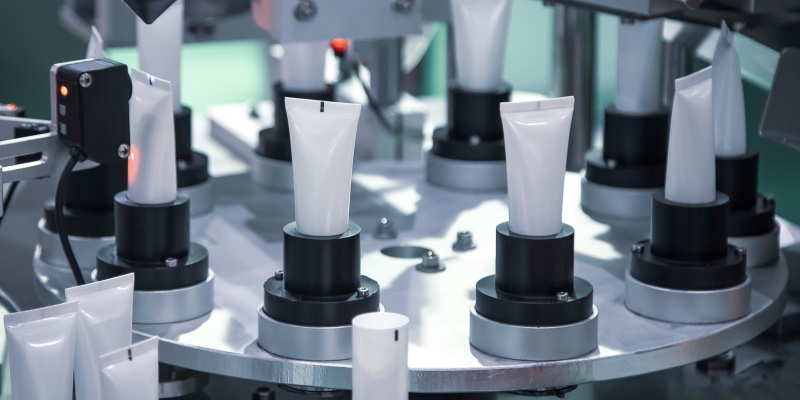
The skincare market is fiercely competitive. While product efficacy is fundamental, the packaging—the first thing consumers see—determines whether they will pick up the product for a closer look. If a cosmetic tube manufacturer produces blurry printing, loose caps, or tubes that crack after short-term use, consumer trust in the brand will plummet immediately. This article outlines five specific indicators for selecting a cosmetic tube manufacturer and summarizes common material structures to help you avoid pitfalls and find a stable, long-term partner.
Why is a Cosmetic Tube Manufacturer So Important? Packaging Defines First Impressions
When consumers receive a skincare product, the packaging is their first point of contact. Details such as whether the tube feels sturdy, if the dispensing is smooth, and if the printed font is sharp all influence the perceived "premium feel" and purchase intent. If the materials used by the factory lack sufficient barrier properties, expensive active ingredients can easily oxidize or deteriorate, causing the product to lose its efficacy. Choosing a technically mature cosmetic tube manufacturer is not just about aesthetics; it is about protecting product quality and establishing a professional brand image.
〈Related Article:A Must-Read for Cosmetic Packaging Design! Creating a Sustainable Business and Market Differentiation Through Cosmetic Cap Design〉
Is the Cosmetic Tube Manufacturer Reliable? Check These 5 Key Indicators!
With so many suppliers on the market, how do you screen them? We have summarized five critical evaluation indicators. We recommend brands confirm these points directly during inquiries or factory visits.
1. Technical Capability and Production Experience
A factory's years of operation and case history directly reflect its problem-solving abilities. An experienced cosmetic tube manufacturer can determine if a formula might cause delamination or if a specific barrier layer is required upon receiving the ingredients. They anticipate potential risks rather than discovering packaging failures after mass production or market launch.
〈Related Article:Cosmetic Tube Types & Trends: Features of Cosmetic Squeeze Tubes at a Glance 〉
2. Production Equipment and Quality Control
The level of equipment and the rigor of manufacturing processes affect dimensional accuracy, visual consistency, and quality stability. From tube extrusion and heading to sealing and assembly, every step requires strict control. It is recommended to choose a cosmetic tube manufacturer with international certifications like ISO. These factories follow standardized procedures for raw material inspection, process monitoring, and finished product testing, ensuring compliance with global regulations and saving the brand significant effort.
〈Related Article:Lip Gloss Tube: The Essential Guide to Choosing Materials and Custom Packaging〉
3. Printing Technology and Customization
Brand design styles vary wildly. A cosmetic tube manufacturer must possess diverse printing techniques, including offset printing (ideal for rich colors and gradients), silk screen printing (thick ink layers with a tactile, high-saturation feel), and hot stamping (for a luxurious metallic luster). If you have strict brand color requirements, ensure the factory has color-matching equipment and request samples to confirm the color deviation range.
〈Related Article:What Is a Foundation Tube? Understanding Key Choices from Packaging Material and Design to Brand Value!〉
4. Barrier Performance and Preservation
When evaluating a cosmetic tube manufacturer, pay attention to whether the barrier performance meets your product’s needs. Poor barriers lead to ingredient oxidation and shortened shelf lives. While single and double-layer tubes are common, I.TA Plastics Tube utilizes five-layer co-extrusion technology with an EVOH middle layer. This effectively blocks oxygen and moisture, providing superior protection for volatile ingredients or products requiring long-term storage.
5. Production Capacity and Lead Time Stability
During peak seasons or new product launches, the greatest risk is insufficient capacity or delivery delays. A cosmetic tube manufacturer with stable capacity and flexible scheduling can ship quickly to meet brand demands. Always clarify the "Minimum Order Quantity" (MOQ) and "Standard Lead Time" before collaborating, as customization or raw material shortages can extend timelines.
Upgrade Brand Identity! 6 Common Custom Designs from Cosmetic Tube Manufacturers
Want your product to stand out on the shelf? A cosmetic tube manufacturer typically offers various custom options to help brands create unique visual identities and user experiences.
1. Inner Tube Material
The material of the tube's inner layer must be selected based on the product formula, as different ingredients have varying compatibility with different materials. Choosing the correct material is the only way to ensure the product remains stable over long-term storage. Currently, common materials include LDPE, HDPE, and LLDPE, each possessing unique characteristics in terms of softness, stiffness, and toughness.
Brands can choose the appropriate material based on product attributes: for instance, mild formulas are suited for soft, easy-to-squeeze materials; products with higher chemical resistance require materials with greater stiffness; while outdoor or travel-sized products, which need to withstand frequent movement, should utilize materials with high toughness to prevent cracking.
〈Related Article:Is PCR packaging more expensive? How is PCR plastic different? 5 benefits that debunk misconceptions〉
2. Capacity and Specifications
How a product is used and its sales channels will influence the choice of tube capacity and specifications. Whether a cosmetic tube manufacturer can provide diverse specifications and accommodate custom needs directly impacts a brand's ability to successfully enter different target markets.
Standard tube diameters typically range from 13mm to 60mm, with standard capacities ranging from 3g to 250g. During the planning phase, brands must consider preference differences across various markets—for example, travel sets usually opt for small-capacity designs, while flagship retail products use larger specifications.
〈Related Article:How to Choose a Hand Cream Tube? From Design and Material Selection to Sustainable Packaging〉
3. Printing Techniques
The choice of printing technology determines whether the packaging is prone to peeling or fading during transportation, display, and actual use. Therefore, brands need to select a suitable printing method based on product positioning.
Furthermore, it is essential to verify whether the cosmetic tube manufacturer can maintain color stability during mass production and control color deviation within a standard range. Ensuring consistent packaging appearance across every batch of products is a key indicator of a manufacturer's customization capability.
4. Special Surface Treatments
The surface treatment of a tube directly affects the consumer’s first impression of the brand. Different processing methods create distinct textures and visual effects.
Brands should choose a surface treatment that aligns with their product positioning: for instance, products pursuing a high-end, "premium" feel might opt for a matte texture, while products aiming for a unique visual impact might consider a pearlescent finish. When evaluating a cosmetic tube manufacturer, confirm whether they possess diverse surface treatment technologies and can precisely execute the specific texture the brand envisions.
5. Cap Styles
Cap design influences both user convenience and the overall tactile quality of the product. Brands can select an appropriate cap style based on product characteristics. Common options include screw caps, flip-top caps, flat caps, and pump heads.
For example, flip-tops allow for easy one-handed operation, while pump designs are ideal for lotions that require precise, metered dispensing. Beyond the shape, caps can also be enhanced through surface treatments such as gold/silver hot stamping, color coating, or electroplating to elevate the overall quality and better fit the brand's positioning.
6. Sustainable Material Options
With the rise of environmental consciousness, an increasing number of brands hope to implement sustainability concepts into their packaging. Consequently, whether a cosmetic tube manufacturer offers eco-friendly material options has become a vital consideration for brands choosing a partner.
Currently, the most common eco-friendly material on the market is PCR (Post-Consumer Recycled) material—recycled plastic products that have been sorted, cleaned, and re-plasticized into raw materials. This effectively reduces plastic waste and promotes a circular economy.
For instance, I.TA Plastics Tube offers PCR PE packaging tubes made from 100% post-consumer recycled materials. While maintaining high-quality appearance and durability, they also provide customization options for various sizes, colors, and surface treatments, helping brands fulfill their environmental commitments and enhance market competitiveness.
〈Related Article:Mastering Sustainable Cosmetic Packaging: How the Right Materials and Design Can Double Your Brand’s Impact〉
〈Related Article:A Must-Read for Brands! 6 Key Details in Sustainable Makeup Packaging Design〉
Advantages of PCR PE Materials from a Cosmetic Tube Manufacturer
| Category | Specific Advantages | Benefits |
|---|---|---|
| Eco-Innovation | 100% Post-consumer recycled material | Reduces plastic waste; promotes circular economy; lowers carbon footprint. |
| High Quality | High durability and visual quality | Maintains PE integrity and provides a premium tactile feel. |
| Customizable | Multiple sizes, colors, and finishes | Aligns product appearance with brand values through customization. |
| Consumer Appeal | Meets environmental awareness | Enhances brand reputation and attracts "green" consumers. |
First Time Working with a Cosmetic Tube Manufacturer? Follow These 3 Steps!
Whether the collaboration process is clear directly affects whether a product can be launched on schedule. A professional cosmetic tube manufacturer typically follows these three standard stages to guide a brand through successful development.
〈Related Article:The Ultimate Lotion Tube Guide ! Best Lotion Tube Suppliers You Should Know〉
1. Consultation and Professional Evaluation
Initially, the brand discusses capacity, quantity, shape, and budget with the cosmetic tube manufacturer. The factory provides expert advice on material compatibility and issues a quotation. Sufficient early-stage communication ensures that materials, structures, and manufacturing directions are confirmed, reducing the number of subsequent revisions and making the development process smoother.
〈Related Article:New Trends in Lip Gloss Squeeze Tube Packaging — Key Design Tips and Supplier Selection Guide〉
2. Sampling and Quality Verification
Sampling is crucial to test structural strength and formula compatibility. Brands should check printing accuracy and sealing effects. Professional tests (e.g., sealing strength, torque, and leak tests) should be conducted before moving to mass production. Mass production should only begin once the finished product quality meets the required standards.
3. Mass Production and Quality Control
During production, a professional cosmetic tube manufacturer performs "on-line" QC, checking wall thickness and printing quality. I.TA Plastics Tube, for instance, uses PANTONE color matching, handheld colorimeters, and precision gauges to maintain consistent standards for every batch.
〈Related Article:New Trends in Lip Gloss Squeeze Tube Packaging — Key Design Tips and Supplier Selection Guide〉
Conclusion
Your choice of cosmetic tube manufacturer directly impacts quality control, launch timelines, and market trust. I.TA Plastics Tube brings nearly 40 years of manufacturing expertise, specializing in multi-layer co-extrusion and PCR eco-friendly options, backed by ISO certification. If you are looking for a partner who understands brand needs and provides professional advice, feel free to contact I.TA Plastics Tube today—let us grow alongside your brand.
Article Classification
Recent Articles
- How to Choose a Cosmetic Tube Manufacturer? Master Key Evaluation Points to Find the Best Partner!
- Mastering Sustainable Cosmetic Packaging: How the Right Materials and Design Can Double Your Brand’s Impact
- A Must-Read for Brands! 6 Key Details in Sustainable Makeup Packaging Design
- Is PCR packaging more expensive? How is PCR plastic different? 5 benefits that debunk misconceptions
- How to Choose a Hand Cream Tube? From Design and Material Selection to Sustainable Packaging